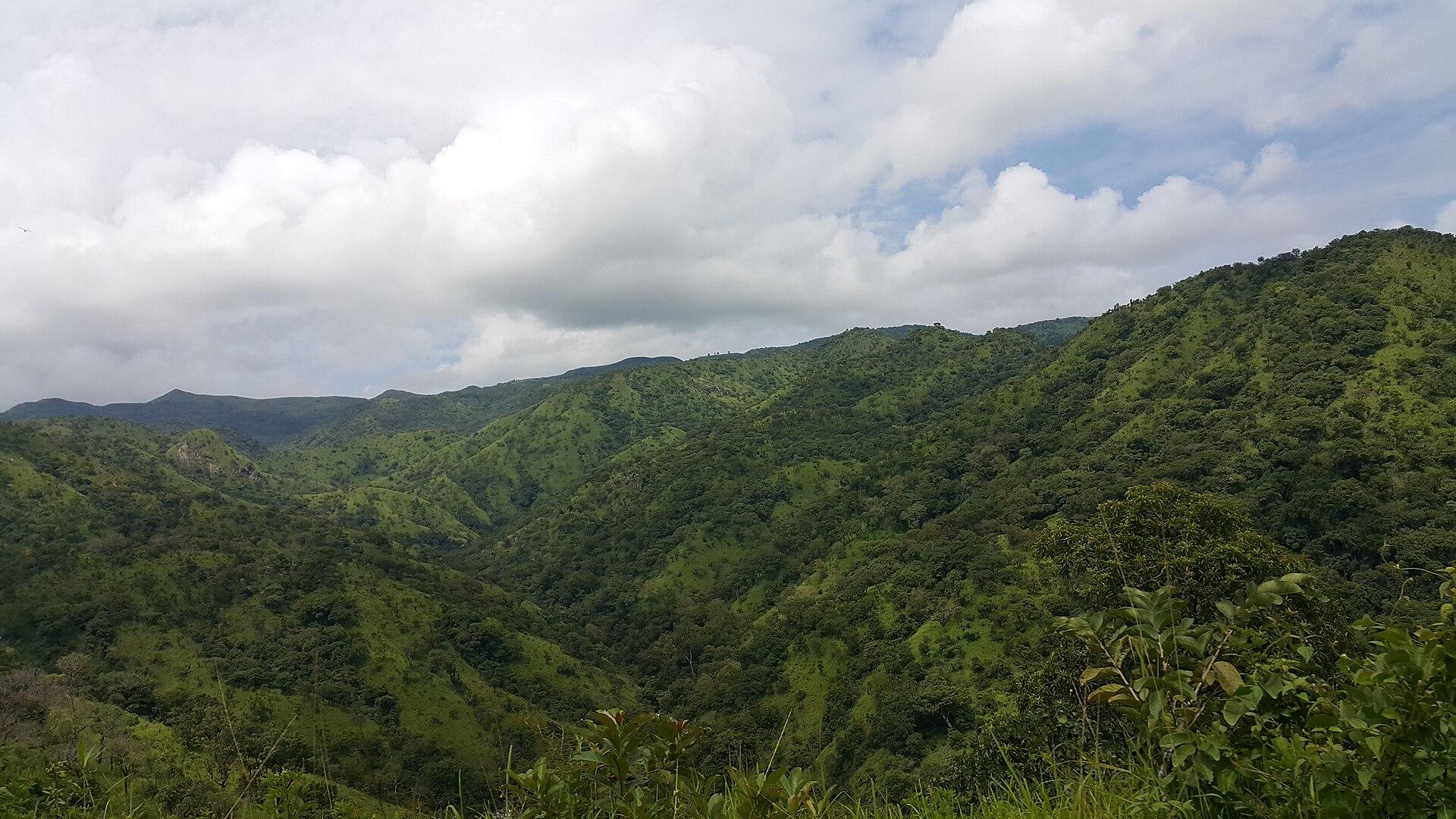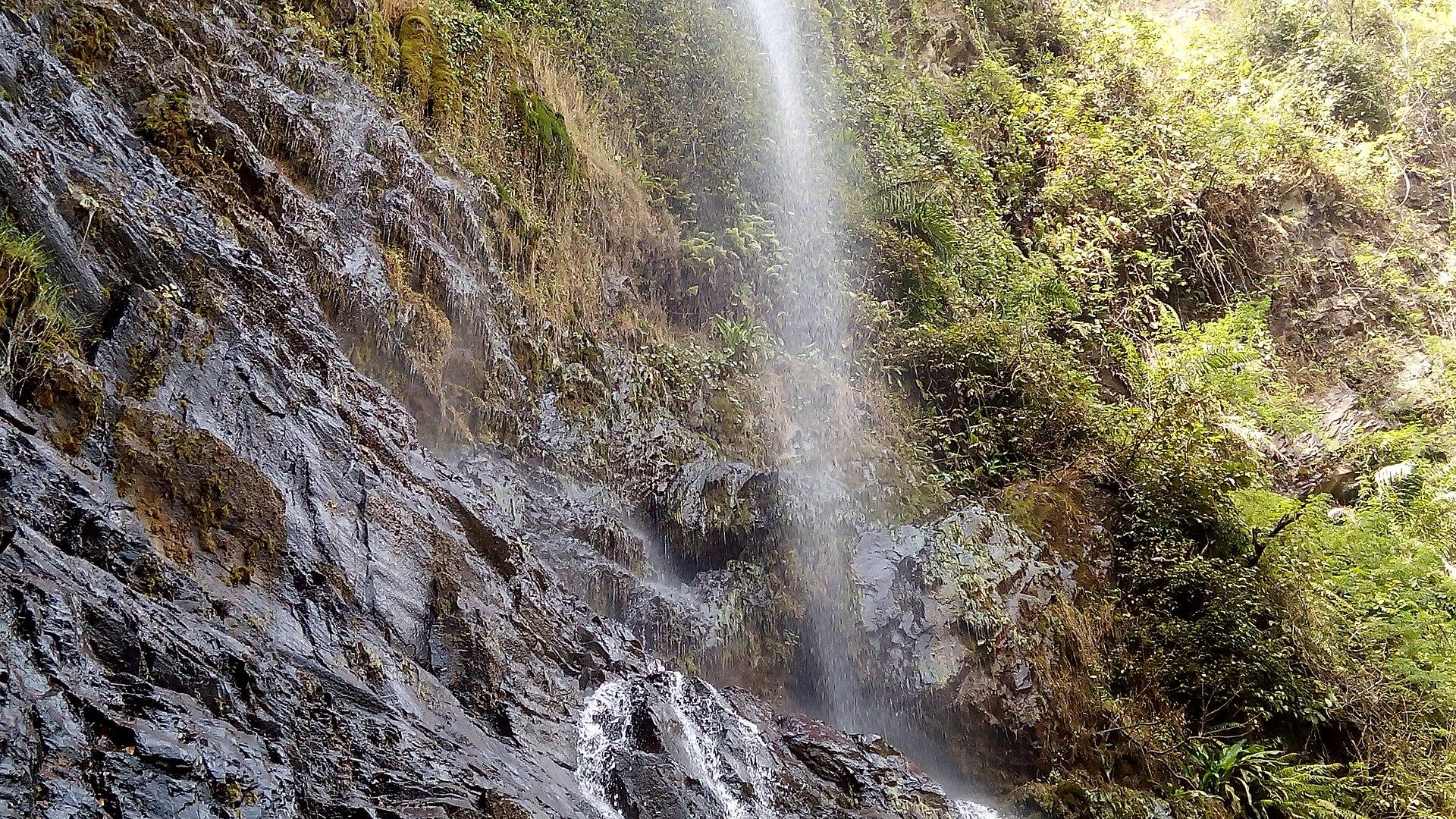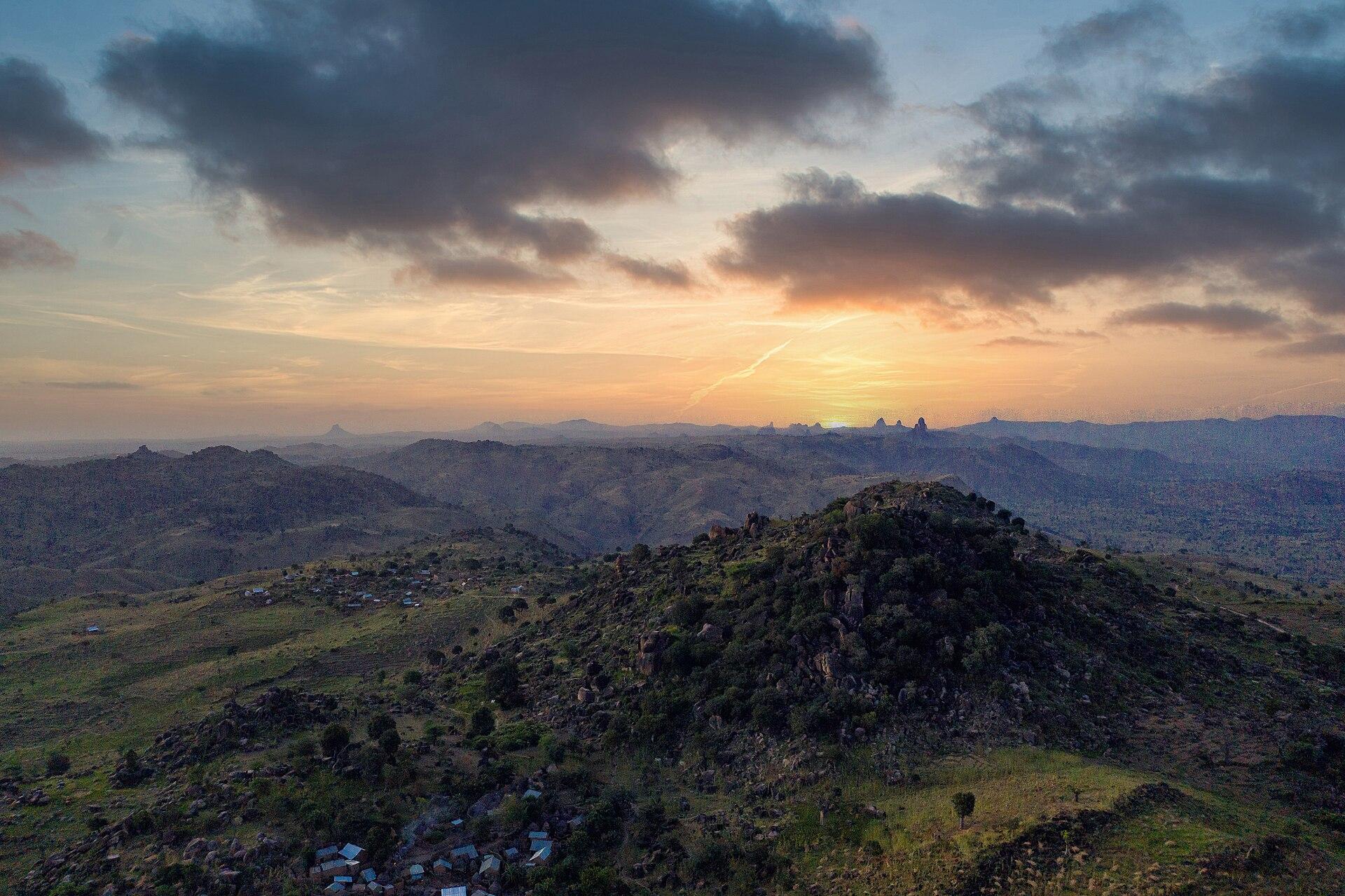
Nigeria sits close to the equator, so the year is not divided into summer and winter. Instead there is a dry season and a rainy season, and their timing and length change as you move from the coast to the far north. Understanding them is the secret to choosing the right time for the place you want to see.
The two seasons
| Season | Roughly | What it is like |
|---|---|---|
| Dry season | November to March | Less rain, more sun. Cooler nights in the north. Harmattan haze from December to February. |
| Rainy season | April to October | Heavy rain in the south, especially June to September, with a short break in August. The north has a shorter rainy season. |
Harmattan
From roughly December to February, a dry wind blows in from the Sahara carrying fine dust. Skies turn hazy, mornings are cooler, and the air is very dry, so bring lip balm and moisturiser. Distant views can be poor, but it is a comfortable time for walking and city sightseeing.
What to see when
- Waterfalls
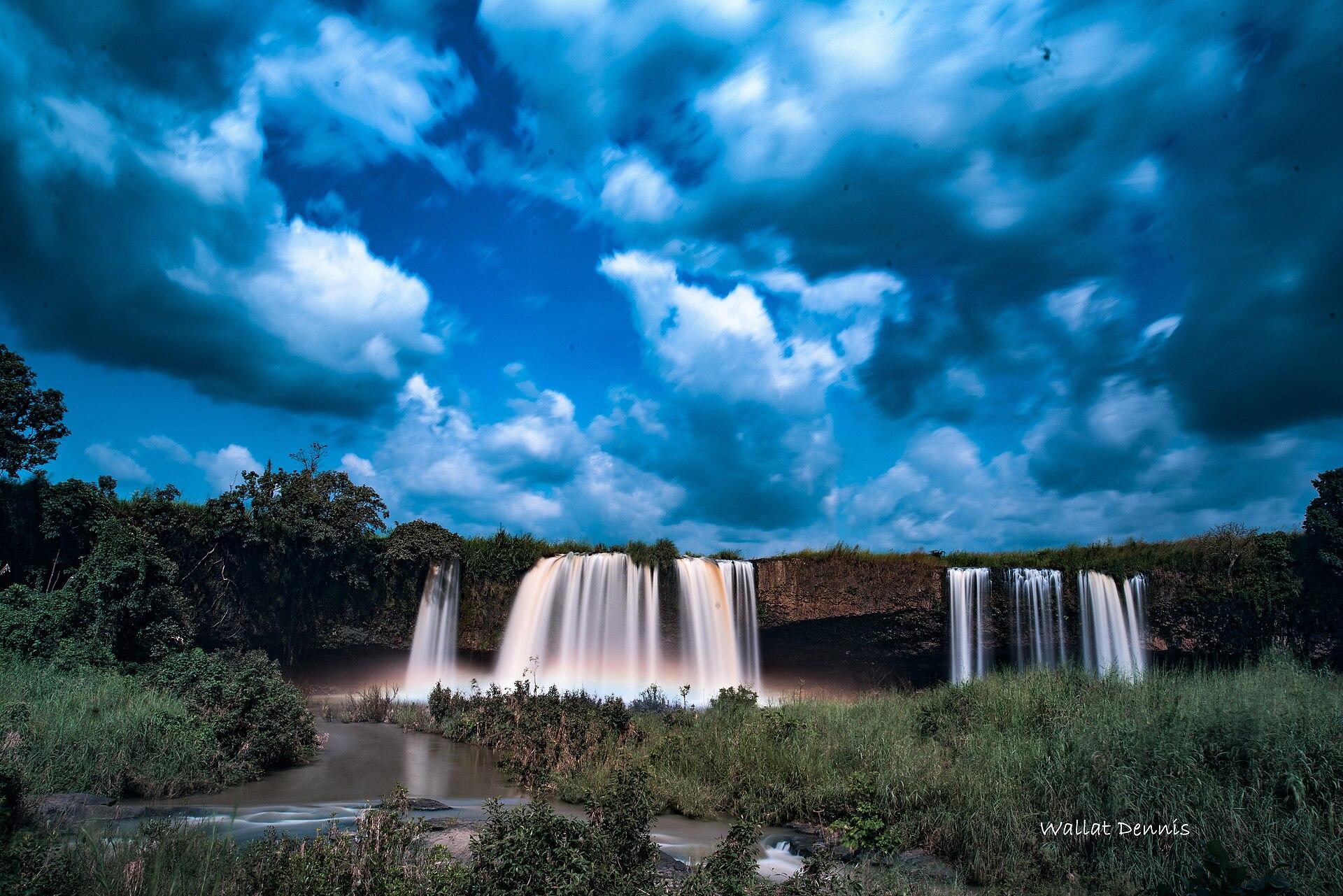
- Fullest during and just after the rains. Good guide: Erin Ijesha.
- Wildlife
- The dry season, when animals gather at water. See Yankari.
- Hills and hiking
- Early dry season, when paths are firm and the air is clear. See Idanre.
- Beaches and coastal trips
- The dry months bring calmer weather and fewer downpours.
- Cool-climate regions
- Obudu, Jos and Mambilla are pleasant all year, with cool evenings.
Festivals and events
- December: the Calabar Carnival and the festive season in many cities
- August: the Osun-Osogbo Festival in Osun State
- Eid festivals and durbars: dates follow the Islamic calendar and move each year
- Local festivals: every region has its own, and operators can tell you what is on
Month-by-month summary
| Months | Best for |
|---|---|
| November to January | General sightseeing, hiking, wildlife, December festivals |
| February to March | Warm, dry weather; end of harmattan |
| April to June | Greenery, fewer crowds, some showers |
| July to September | Lush scenery, powerful waterfalls, heavier rain |
| October | Rains easing; a good in-between month |
Whichever month you choose, check each tour page for specifics, and use our packing checklist to be ready for the weather.
How the weather differs by region
- South and coast
- Warm and humid all year. Rain is heaviest between about June and September.
- Middle belt
- A pleasant mix: warm days, cooler nights, and distinct wet and dry seasons.
- North
- Hotter and drier, with a shorter rainy season. Harmattan nights and mornings can be quite cool.
Choosing your dates
- For waterfalls, aim for the rainy season or just after
- For wildlife and hiking, choose the dry season
- For festivals, plan around the event dates and book early
- For fewer crowds, travel outside the main holiday periods
Frequently asked questions
What is the best month to visit Nigeria?
November to March is the most popular because it is dry, but the best month depends on where you go.
What is harmattan?
A dry, dusty wind from the Sahara, from about December to February, which brings hazy skies and cooler mornings.